Uncategorized

It’s not exactly a ball-breaker is it?

When I try to think back, to earliest memories of making art at home maybe or in school I cannot see anything. Not me, not a room, nor a table, no materials and no-one else there. And yet I did make stuff because some of the things I made still exist. A couple of pictures; one made with felt tips and another with cut out shapes making a fish blowing bubbles are framed and fading on my mum’s bedroom wall. A little clay lady with a high bonnet painted red and green sits on a dusty, dark shelf on the landing of the home I grew up in. Bits of dried clay that have fallen off her basket of flowers sit at her feet. Clay heads made from drawings of my school friend Sarah sit alongside each other under grassy moss leaning against the side of the barn. Almost gone and disintegrating back into the earth.

Thinking about who was around the art making in the past, encouraging and responding to it and how that changes through life as the context in which we make work changes too. Maybe an art teacher inspires us because they themselves are an interesting or flamboyant character and represent something which is attractive to our emerging selves? This is certainly not true for me and anyone else with whom I did art at Thomas Mills High School back in the day…for all will surely agree that Mr S was neither interesting nor inspiring or even had any energy to enthuse us with. You could not have found a duller art teacher – the light was out in his being. Poor him… maybe he had stuff going on or perhaps our class was so annoying to teach (and we were) that we didn’t get the best from him. I don’t think so though! His voice was monotone and he used it to go on and on and on for most of the lesson about what we were about to do leaving us falling off our stools, pulling at our ears and begging for mercy with 10 minutes left before break time to make any artwork. I have a poor memory so maybe I am getting this wrong but he did actually wear a greyish brown science labcoat at all times right? Say no more.

I did not get enthused at school by my art teacher and I did not want to emulate his strangely stifled ways but I was ‘good’ at art and the positive reactions to my drawings and painting made me feel nice so I carried on and did some more. I remember mixing powder paint, stirring with such vigour or the powder would never actually dissolve into the water. The spiky, dried out old brushes scratching the flaky powder paint across sugar paper which sucked in any moisture. This was called painting.

I got lots of encouragement from home (two parents… both went to art school!). But sometimes while I was getting praise at school, from my mum at home I would often get a raised eyebrow and a pursed lip as if to say “is that it?” My mum and dad were and are both very creative, inspiring people who have had a massive impact on my art making (I wouldn’t tell them that directly though and they wont be reading this so I can say that without sounding like a creep!). Probably the most significant affect was to put me right off it! And my choice at 18 years of age to not go to art school but apply instead to University to do Social Anthropology which was a subject I had never even heard of. Such was my desire to do something that neither of my parents knew anything about and could therefore not have any view or opinion on, I put away childish things and made my bid for freedom and independence.

Nearly 15 years and many life drawing classes later I put a portfolio together for an interview at Brighton and got onto a 2 year part time Art Foundation course. Those early weeks on the foundation were hell and I literally had to hold onto my chair to stop myself from running out as the pressures of trying to express visually or make something or even say something ‘creative’ invoked such fear that I felt my brain dissolve and terror grip my throat. I found it quite challenging.

Having invested for nearly 20 years in careful, considered, rational, written communication there was hardly any capacity for creativity or making an instinctive visual response. At times I have felt physically unable to make any mark at all on any surface. And yet, here I am now in a realm where I am expected to be making art work ongoingly, exploring my evolving artist /therapist identity and responding to new ideas and learning. In June this year, us first year MA Art Psychotherapists together with our second and third year colleagues will put together an end of year exhibition alongside Fine Art BA and MA students(!). We are going to show the world our art work and say something to the public about our artist selves and the emerging therapist within! But as a friend of mine recently told me, “it’s not exactly a ball breaker is it Saskia?”. So, with that in mind I am going to stop writing this and go and wash down a piece of glass from the garden, roll out some ink and make some work while counting my lucky stars that this is not a compulsive, driven, neurotic activity nor is it, as my friend would remind me, demanding, arduous or punishing; no one’s balls are being broken.
Where am I at with my art practice?


I like the idea of exploring ideas through making art – like motherhood, identity, space, inside and out. Of making art in response to…something…maybe a feeling or a thought or an experience and trying to use materials in different ways, new ways.

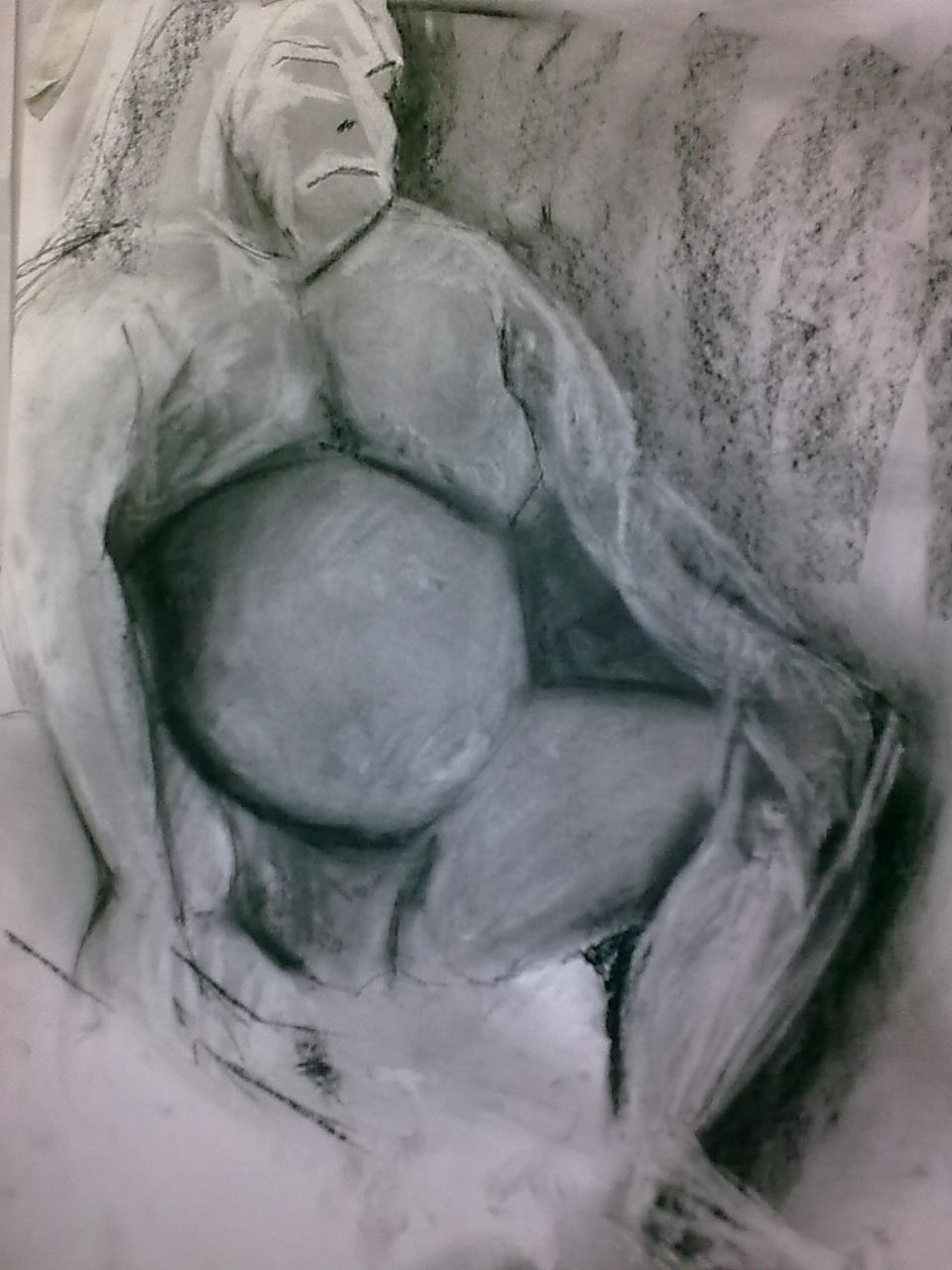
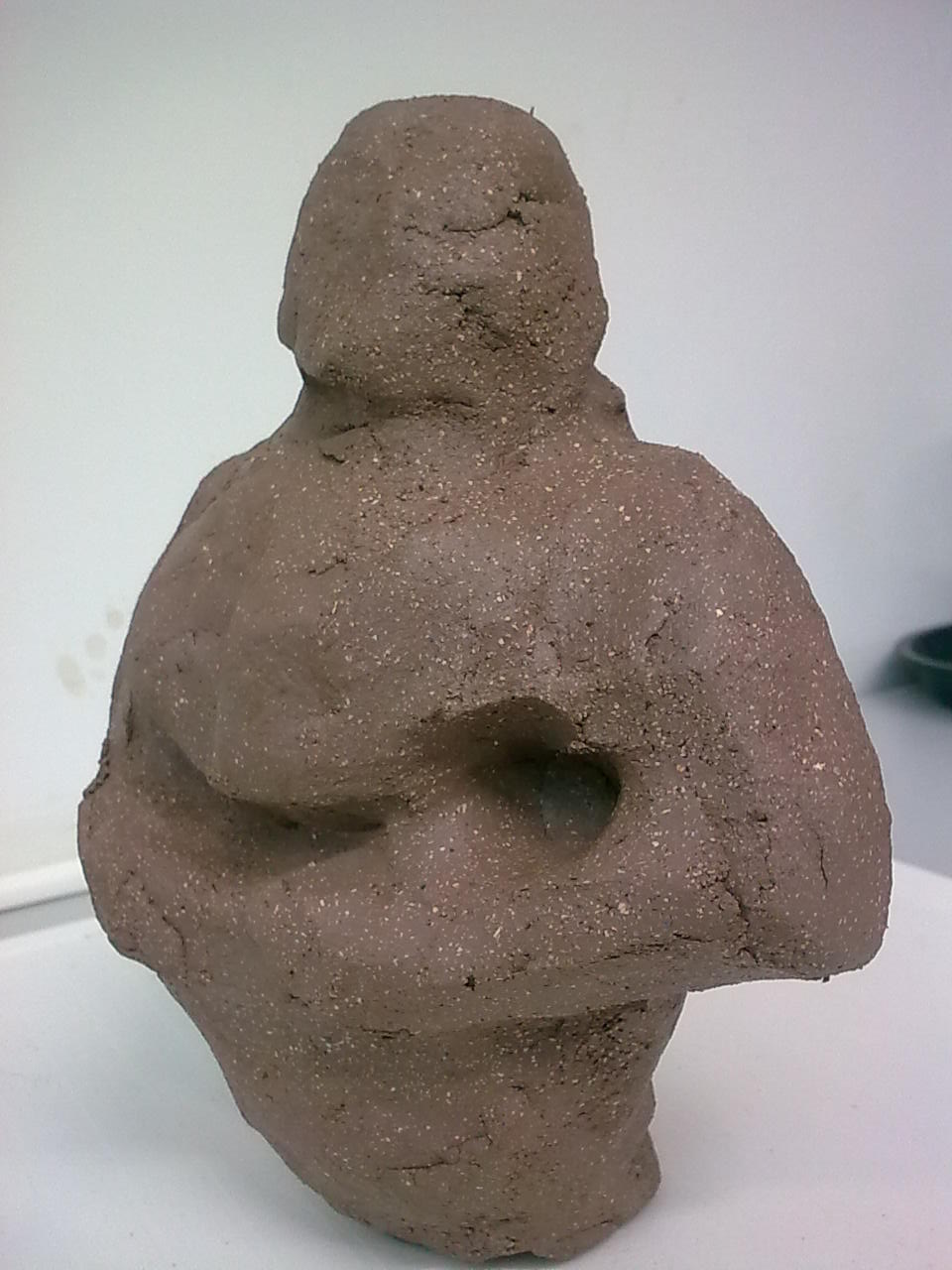
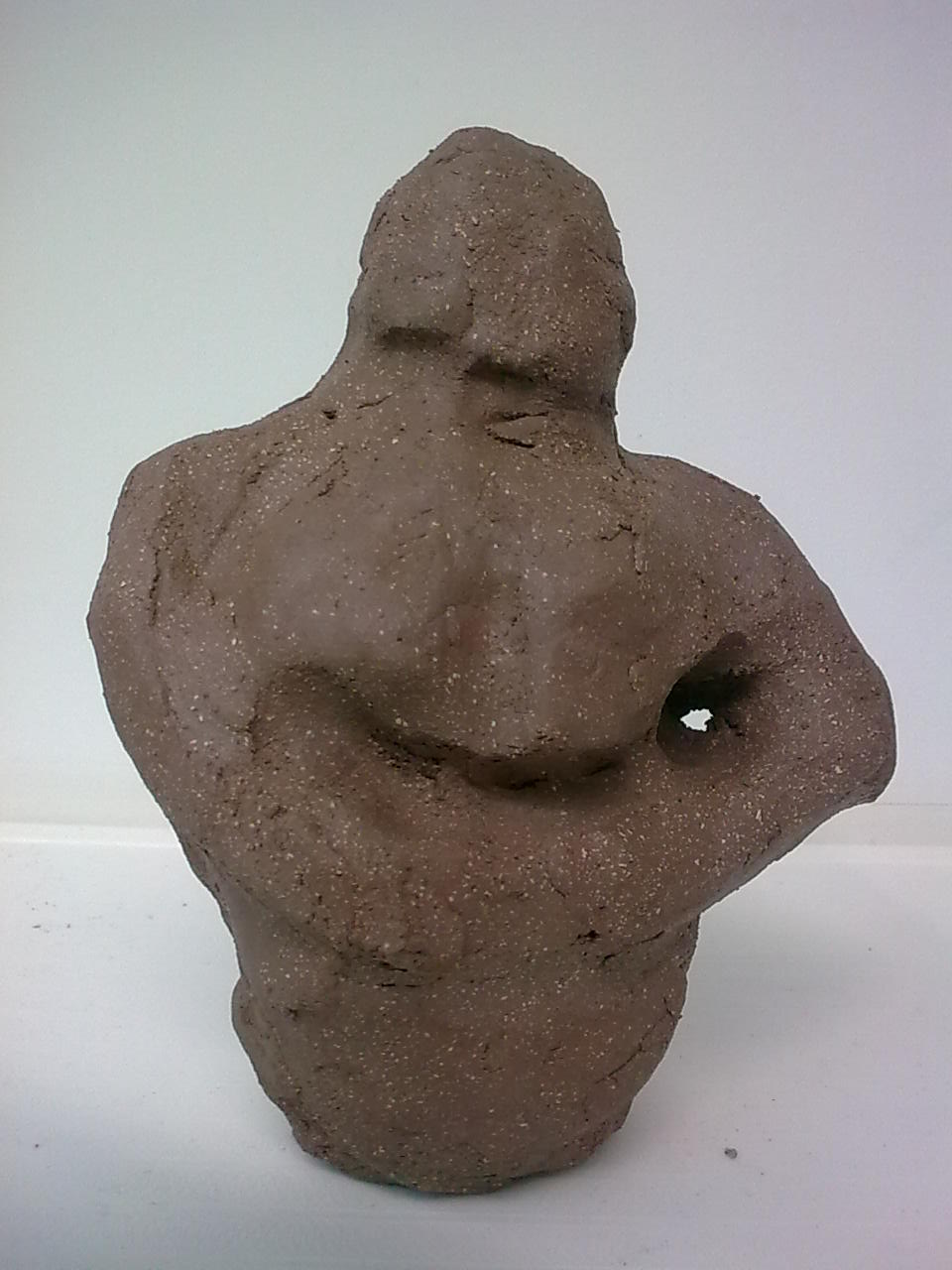
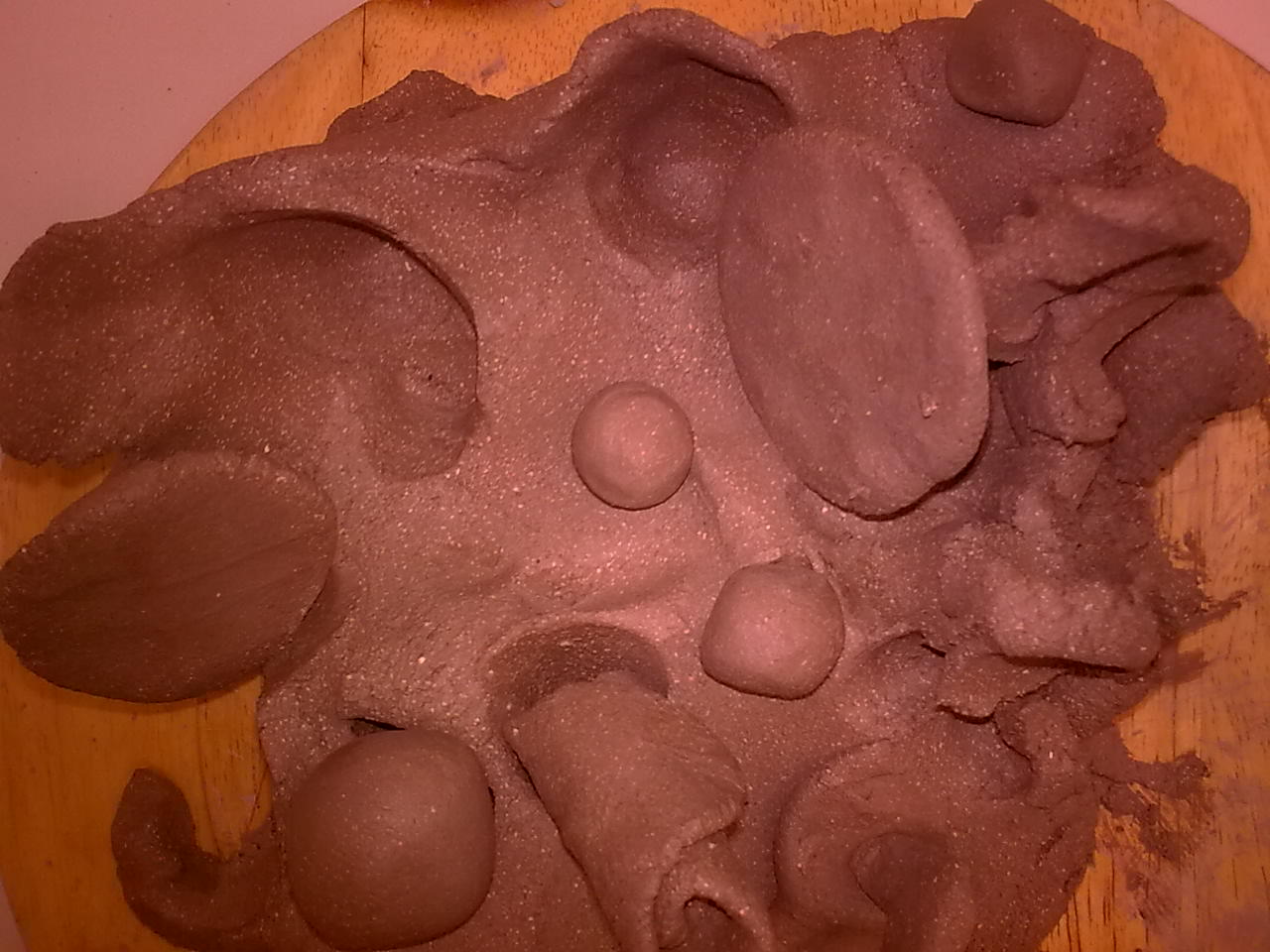
My art practice is still emerging. Well, that’s one way of putting it…another is that actually I haven’t got a clue what it is. There are some themes and common elements or ways of working. I work with the figure a lot – I’m drawn to the body, drawing the form and understanding mark making in relation to it, sculpting an arm out of the page and trying to free up my line and the way I look. This is extremely important and is about becoming more spontaneous and expressive. Developing the confidence, tools and skills to be responsive is a real challenge, it feels very much like a process of breaking down or pushing through old habits, and safe ways of working which I have invested in for a long time.

I paint with my daughter a couple of times a week at the kitchen table and we often make the paintings into cards and then send them to family who are scattered between Suffolk, London, Bristol and Oxford. It’s a way for her to work out who is in her family, how we are all related and to stay in touch? Painting, sticking and tearing. It’s a boundaried activity, we are making something together that we can then use, send to someone else – its functional. The walls are already full of art she has made so this way we can carry on making it but send it on. We might work on something together, copying, collaborating and interacting. I paint a circle she fills it in. I do a heart she scrubs it out. She paints a squiggle I draw a line across it. It’s playing and interaction. I am not fighting her for the space. I am sharing it with her. I do wonder about the possibility that eventually I can use this space and time to work on my own card alongside her while she it momentarily engaged with hers. I could look at refining the process which has already started which involves us collecting and bringing back images from free magazines or leaflets to tear up and stick and make into work. I could maybe formalise the approach or make it more intentional?

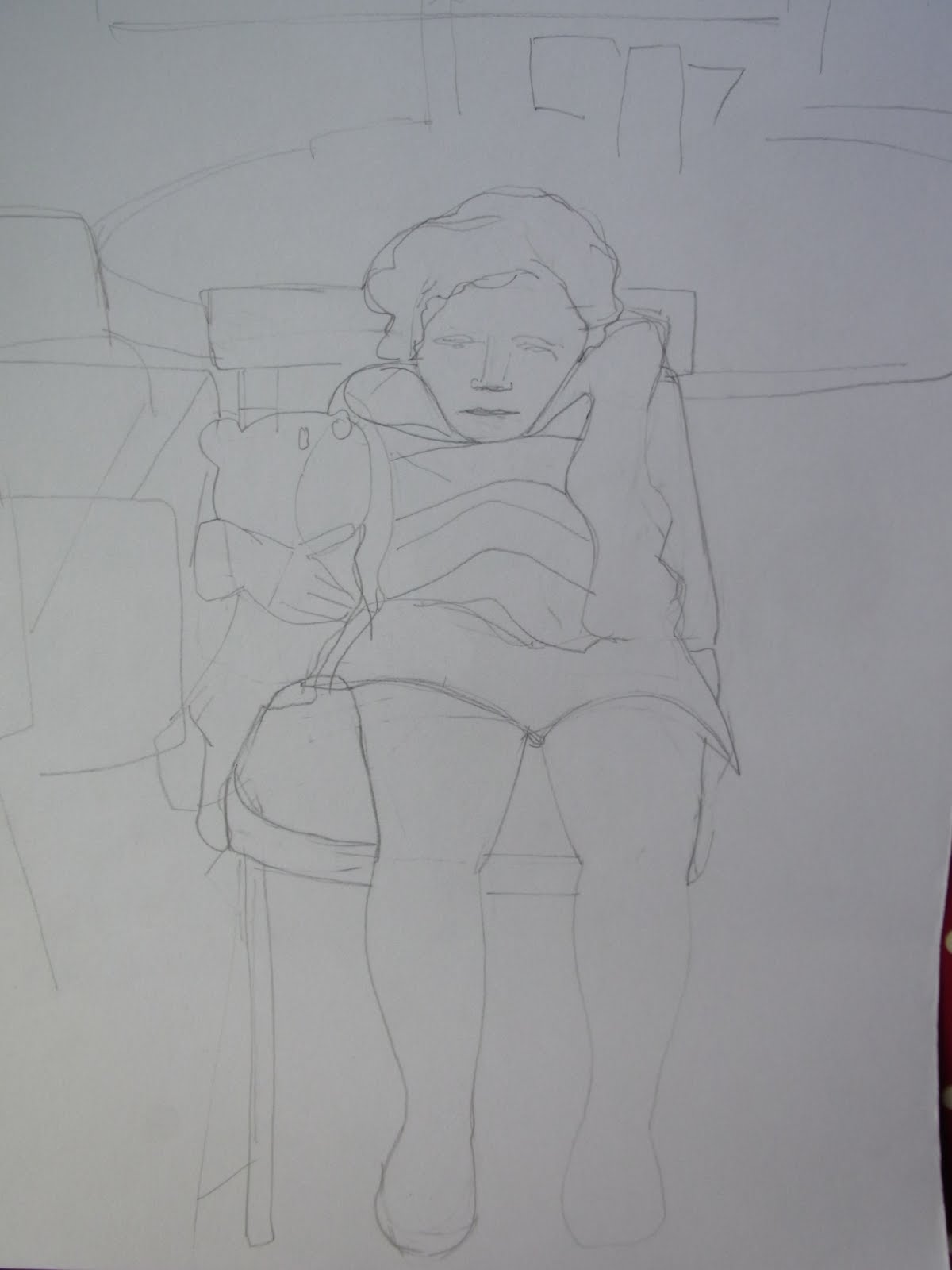
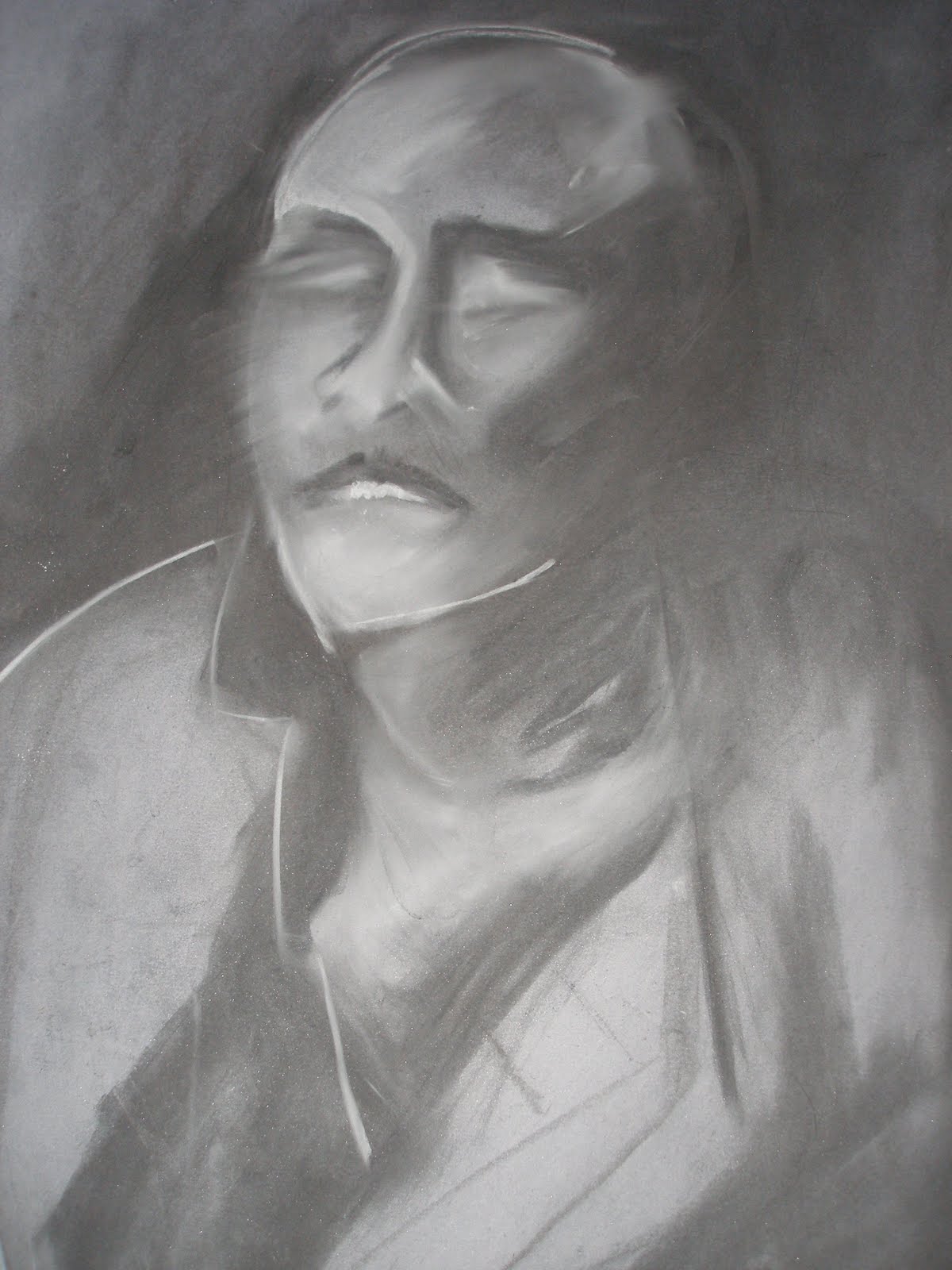
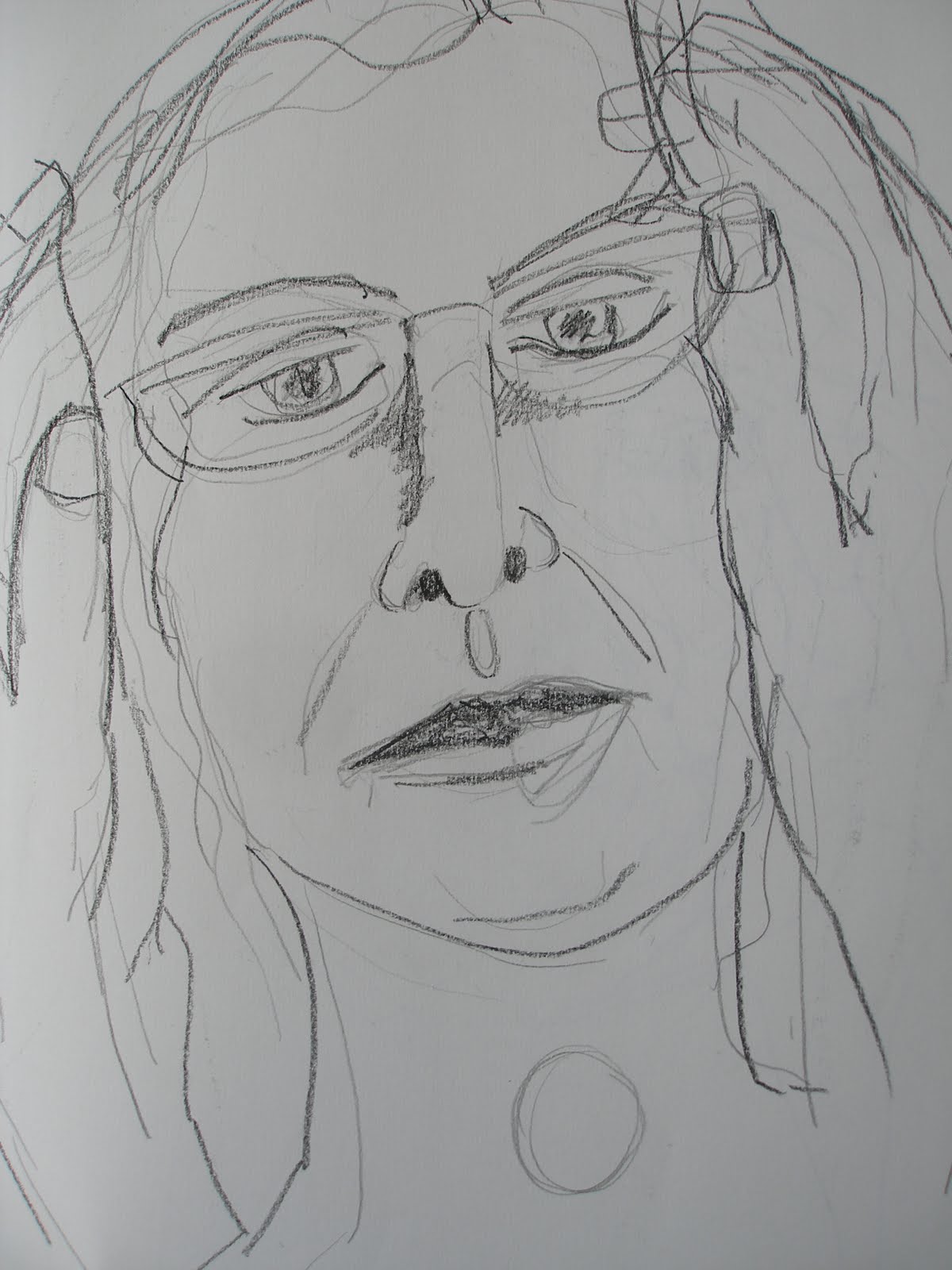
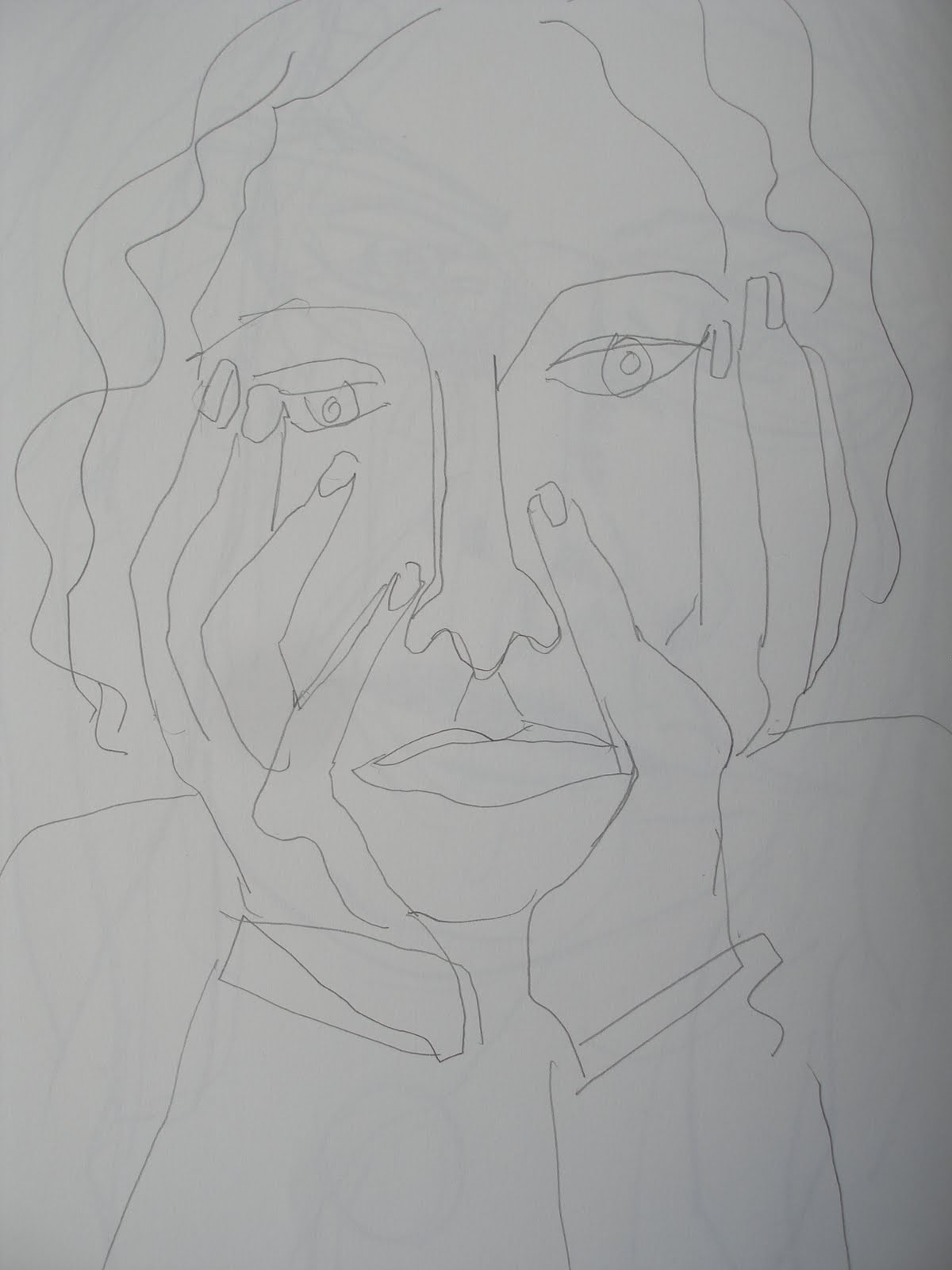
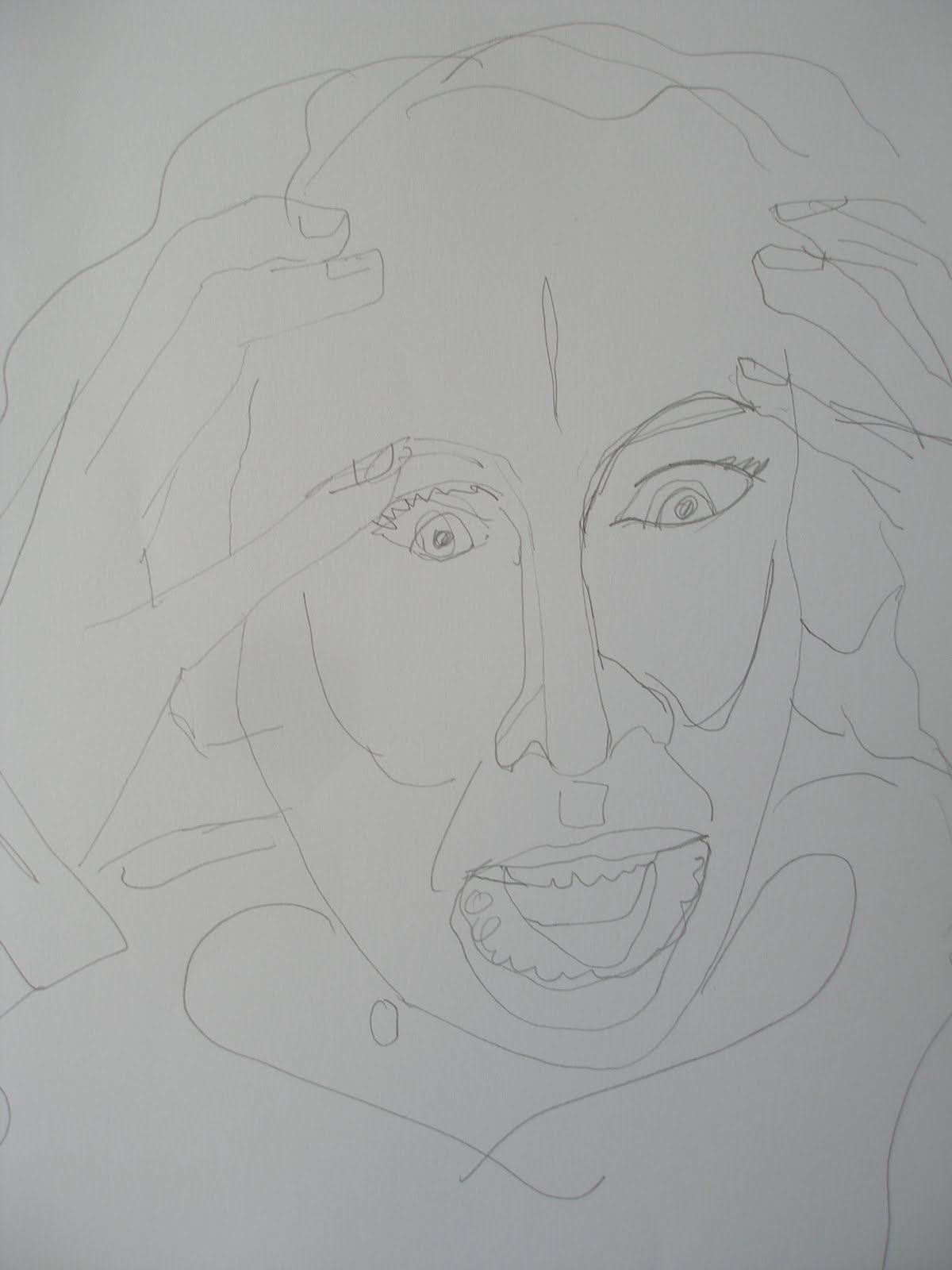
Experimental life drawing is currently a big part of ‘my practice’; mark making, drawing from a moving figure, pushing myself out of my safety zone and challenging my ideas about what constitutes a piece of work in my mind. This started with a fantastic drawing class at Fabrica Art Gallery with Jane Fordham where I drew to a dancing figure and to cine films projected on the walls. It was terrifying at first, and I didn’t have a clue about how to even begin. I sat staring into the darkness feeling really uncomfortable. And then something very powerful happened and this has taught me about freedom and spontaneity and gave me a glimpse of a whole different way of engaging with the figure and with drawing and painting. Without this experience I would find making art in the small art psychotherapy group even more excruciatingly difficult than I do already. At least I know how to start or to get going which I did not know before. I am just about able to get round my self censor.

I like to work in books, like sketchbooks I guess, usually a4 and a3. They are private. They are a space to record and work out ideas, to start exploring things, to stick reference. There’s no pressure working in this space and it’s easier not to self censor and to keep things light.

Painting is one of my problematic areas. I worked on a serious of paintings over the summer in preparation for starting the MA. I wanted to know and trust I had been practising and therefore not feel fraudulent on arrival. I worked at my mums in Suffolk and at home on the one day Winni was at nursery. I started to see how much I could do in an hour or two hours and took photos to see how the paintings changed over time. I really enjoyed making these paintings, working from photos of Mike and Winni, and one of me. But I find working with colour really difficult and so there was lots to stress out about. I tried to focus on being quick and using bold gestures. A painting class with Gary Goodman also gave me a narrative; just to get on with it, not be precious, nor worry bout what it is or how it turns out. To be in the moment of making the painting. And to work quickly.

This week the whole group presented their work. We took it in turns, 13 minutes each to show some of our own artwork. The whole point is to provide a structure to enable each student to present and explore their art work and themselves as an ‘artist’.

One by one we took our turn to lay out our work and with greater or lesser nerves and reddened face we talked briefly about processes and themes within the work and any developing thinking, in relationship to becoming an art psychotherapist. It was a very long day. But as a result I feel like I have got to know each one of my group a tiny bit more and my admiration for each person’s individual journey is palpable.

“By embracing art as the central component of our professional vision, we strengthen the authenticity of our work as art therapists.” Hyland Moon (2002). Studio art therapy: Cultivating the artist identity in the art therapist. London & Philadelphia: Jessica Kingsley Publishers.

See previous blog about Gary Goodman: http://newmumcreativeleanings.blogspot.com/2010/04/painting-class-with-gary-goodman-hour.html